Welcome: Jiangsu Yangzi Graphite Products Co,.Ltd







service@weldmaterial.com +86-13665233012
What are the differences between carbon rods of different diameters in welding repair scenarios?
φ3–φ6 mm (small diameter), ≤6 mm (thin plate): Shallow surface defects: micropores, point inclusions, weld surface cracks, defects in narrow sections.
φ6–φ8 mm (medium diameter), 6–16 mm (medium-thick plate): Medium depth defects: cracks <50 mm in length, dense porosity, incomplete penetration at the weld root.
φ8–φ12 mm (large diameter), ≥16 mm (thick/extra-thick plate): Deep defects: long cracks, thick slag inclusions, dense internal defects in the weld, beveling repair of thick plates.
Small diameter carbon rods (φ3–φ6 mm): Suitable for: repair of thin plates (thickness ≤6 mm), removal of shallow surface defects (porosity, micro-slag inclusions), fine root cleaning of welds, and treatment of defects in narrow sections.
Medium-diameter carbon steel rods (φ6–φ8 mm) are suitable for: repairing medium-thick plates (thickness 6–16 mm), removing medium-depth defects (cracks <50 mm in length, dense porosity), and cleaning the root of conventional welds.
Large-diameter carbon steel rods (φ8–φ12 mm) are suitable for: repairing thick/extra-thick plates (thickness ≥16 mm), removing deep defects (long cracks, thick slag inclusions), and rough planing of large defect areas.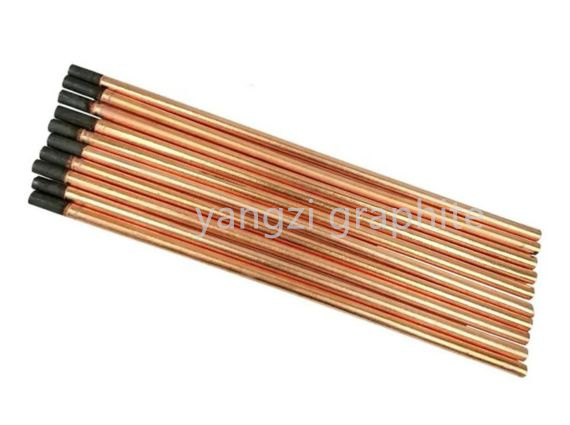
Contact: admin
Phone: +86-13665233012
E-mail: service@weldmaterial.com
Add: Huanghua Industrial park, Jiangdu City, Yangzhou , Jiangsu Provicne, China.
LiveChatclose
 Send Email
 Skype
Skype WhatsApp